Youth Initiative for Community Development (YICOD) has called on authorities and stakeholders to improve access to Sexual and Reproductive Health Rights Services, following the 2024 Malawi Demographic and Health Survey report, which was launched on 3rd February this year and indicates a rapid rise in teenage pregnancies in rural areas of Malawi.
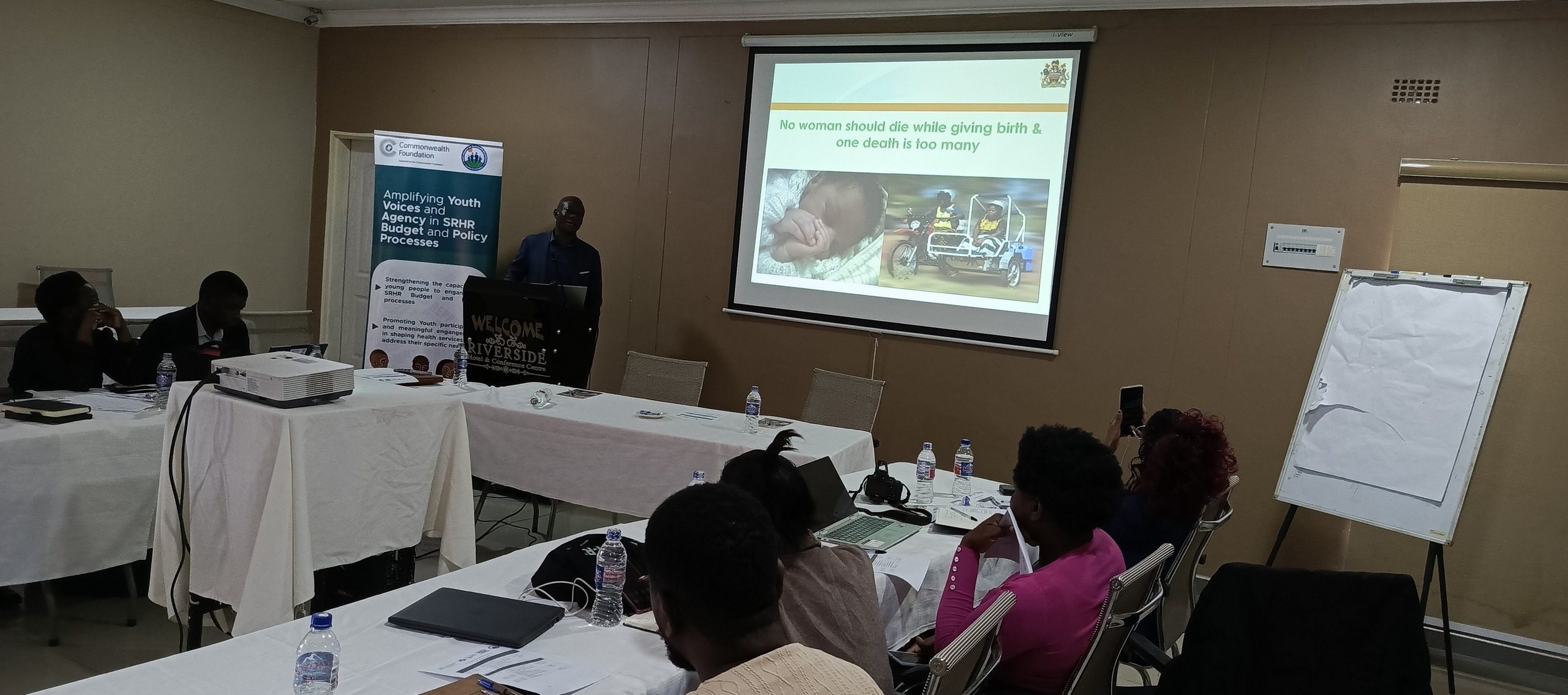
The survey’s findings were presented on Tuesday in Lilongwe during a stakeholder meeting that brought together youths involved in the SRHR, organised by Youth Initiative for Community Development (YICOD) in collaboration with Phalombe Youth Arms Organisation and Youth for All, with support from the Commonwealth Foundation.
The report shows a rise in teenage pregnancies, with rural areas recording significantly higher cases than the country's four major cities. It also shows that teenage pregnancy rates increased from 29 percent in 2016 to 32 percent in 2024, with most cases recorded in rural communities, while urban areas reported less than 20 percent.
However, the report indicates a significant decline in the maternal mortality rate, from 439 deaths per 100, 100,000 live births in 2016 to 224 deaths per 100, 100,000 live births in 2024, representing a 49 percent reduction.
Commenting on the report, Executive Director of YICOD, Andrew Bwanali, said the situation calls for improved access to SRHR services and a stronger inclusion of youth voices in budgetary and policymaking processes.
“As we have heard, this is affecting the young people, hence the need to include our voices in the budgetary and policy-making processes that could help to deal with this situation. There is a need for more money for SRHR so that there should be a great improvement in access to SRHR services, mainly to the younger population in the rural areas,” he said.
During a presentation, Hastings Saka from the Malawi Sexual Reproductive Health Rights Alliance stated that insufficient funding is hindering efforts to ensure that sexual and reproductive health and rights (SRHR) services are accessible throughout the country. This lack of funding is contributing to rising rates of teenage pregnancies and early marriages.
Saka concurred with Bwanali on the need to increase the budget for SRHR initiatives and emphasized the importance of involving young people in policy-making and decision-making processes to ensure that their perspectives are taken into account.
On his part, Deputy Director of Reproductive Health in the Ministry of Health, Hans Katengeza, said there is a need for stakeholders to work together to address the alarming levels of teenage pregnancies in districts and rural communities.
One of the participants, Ellah Tambalaweko, said the increase in teenage pregnancies shows that civil society still has a lot of work to do, particularly in advocating for increased budgets for sexual and reproductive health services and stronger policies, with special focus on rural areas.
With support from the Commonwealth Foundation, YICOD is implementing a project titled ‘Amplifying youth voices and agency in SRHR budget and policy processes.